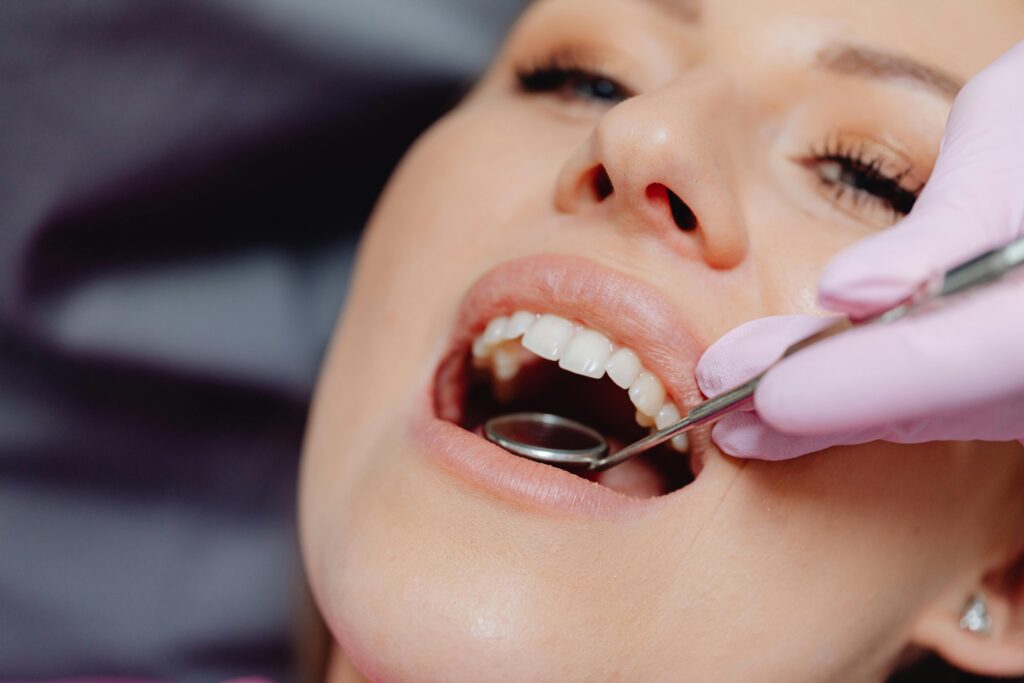
Deciding whether to pull your tooth or save it is a crucial choice that can impact your long-term oral health. Several factors, such as the tooth’s condition, potential treatment options, and the associated costs, must be carefully considered. At Neil J. Dansie Family Dentistry, we aim to provide you with all the necessary information and expert advice to help you make an informed decision. In this guide, we will explore the pros and cons of both options, ensuring you understand the implications of each choice. By the end, you will be better equipped to decide the best course of action for maintaining your dental health.
Assessing the Tooth’s Condition
Evaluating Tooth Decay and Damage
Assessing the Tooth’s Condition Evaluating Tooth Decay and Damage Determining the extent of decay or damage is the first step. Minor issues can often be resolved with fillings or crowns, whereas severe decay may require more intensive treatment. At Dansie Family Dentistry, we provide comprehensive information and expert advice to help you make informed decisions about your dental health. In this guide, we will discuss the advantages and disadvantages of both options, ensuring you understand the implications of each choice. By the end, you will have the necessary knowledge to decide the most suitable course of action for maintaining your dental well-being.
Diagnostic Tools and Techniques
X-rays are commonly used in dentistry to evaluate the condition of the tooth and surrounding structures. They provide valuable insights into potential decay, cracks, or other damages that may not be visible to the naked eye. In addition to X-rays, dentists may also use intraoral cameras to capture detailed images of the tooth’s surface and detect any abnormalities. These diagnostic tools enable dentists to accurately determine the extent of decay or damage, which is crucial for devising an appropriate treatment plan. With the help of advanced techniques and technology, Neil J. Dansie Family Dentistry ensures a thorough assessment of your tooth’s condition, allowing for precise and effective dental care.
Treatment Options for Saving the Tooth
Dental Fillings and Crowns
Dental fillings and crowns are common solutions for restoring damaged teeth. Fillings are used to repair cavities by filling the decayed area with a durable material, such as composite resin, which blends with the natural tooth color. Crowns, on the other hand, are used for more extensive damage. A crown is a custom-made cap that fits over the entire tooth, providing strength and protection while restoring its shape and function. Both treatments aim to preserve as much of the natural tooth structure as possible, maintaining its integrity and function.
Root Canal Therapy
Root canal therapy is a procedure designed to save a severely decayed or infected tooth. During this treatment, the infected pulp inside the tooth is removed, the root canals are cleaned and disinfected, and the tooth is sealed to prevent further infection. A crown is usually placed on top of the treated tooth to restore its strength and appearance. Root canals are highly effective and can save teeth that might otherwise need to be extracted, allowing you to maintain your natural tooth for many years.
When Extraction is Necessary
Severe Decay or Damage
In cases where a tooth is too decayed or damaged to be restored, extraction might be the best option. Severe decay that reaches the pulp and causes a significant infection can compromise the tooth’s structure and health, making it impossible to save. Similarly, a tooth that is fractured below the gum line or has extensive root damage may not be salvageable. Extracting the tooth can prevent further complications, such as the spread of infection to adjacent teeth or bone loss.
Impacted Teeth
Impacted teeth, particularly wisdom teeth, often require extraction. When a tooth is impacted, it means it has not fully erupted through the gum line and is stuck in the jawbone or against other teeth. This can lead to pain, infection, and damage to neighboring teeth. Extracting impacted teeth can alleviate these issues and prevent further dental complications. Wisdom teeth extractions are common and can help maintain overall oral health by reducing the risk of infections and misalignment.
Pros and Cons of Tooth Extraction
Advantages of Extraction
One of the main advantages of tooth extraction is the immediate relief from pain and discomfort caused by a problematic tooth. Removing a severely decayed or infected tooth can prevent the spread of infection to other parts of the mouth. Extraction can also create space for orthodontic treatments or resolve overcrowding issues. In cases of impacted wisdom teeth, extraction can prevent future dental problems and alleviate existing pain or discomfort.
Disadvantages of Extraction
Despite its benefits, tooth extraction has some drawbacks. One significant disadvantage is the potential for bone loss in the jaw where the tooth was removed. This can lead to a sunken appearance and affect the stability of adjacent teeth. Additionally, extracting a tooth without replacing it can cause the surrounding teeth to shift, leading to misalignment and bite issues. To mitigate these effects, dental implants or bridges are often recommended to replace the missing tooth and maintain the integrity of the dental arch.
Pros and Cons of Saving the Tooth
Advantages of Preservation
Preserving a natural tooth has numerous advantages. Keeping the natural tooth helps maintain the integrity of your bite and jaw structure, preventing the shifting of adjacent teeth. It also provides a more natural appearance and feel compared to artificial replacements. Treatments like root canals and crowns can effectively restore the function and aesthetics of a damaged tooth, allowing you to retain your natural smile and avoid the potential complications associated with extraction.
Disadvantages of Preservation
Saving a tooth, however, can be costly and time-consuming. Procedures like root canals, crowns, and fillings require multiple dental visits and can be expensive, especially if complications arise. There is also no guarantee of success, as the tooth may eventually need to be extracted if the treatment fails. Additionally, preserving a tooth that has severe damage or infection might not always be feasible, and attempting to do so could lead to further dental issues.
Long-term Implications for Oral Health
Impact on Jawbone and Surrounding Teeth
The decision to pull or save a tooth has long-term implications for your oral health. Extracting a tooth can lead to bone resorption, where the jawbone gradually diminishes at the site of the missing tooth. This can affect the stability of neighboring teeth and alter your facial structure. Conversely, saving a tooth helps maintain the bone and support surrounding teeth, preserving the natural alignment and function of your bite. Both options require careful consideration of their long-term effects on your oral health.
Maintaining Oral Health After Treatment
Regardless of whether you choose extraction or preservation, maintaining excellent oral hygiene is crucial. Regular dental check-ups and cleanings, proper brushing and flossing, and a healthy diet all contribute to the longevity of your dental treatments and overall oral health. If you opt for an extraction, replacing the missing tooth with a dental implant or bridge is essential to prevent the shifting of adjacent teeth and bone loss. For preserved teeth, continued care and monitoring are necessary to ensure the success of treatments like root canals and crowns.
Assessing the Tooth’s Condition
Schedule a comprehensive dental examination with Neil J. Dansie Family Dentistry to evaluate your tooth’s condition and explore your options.